
Al Kingston
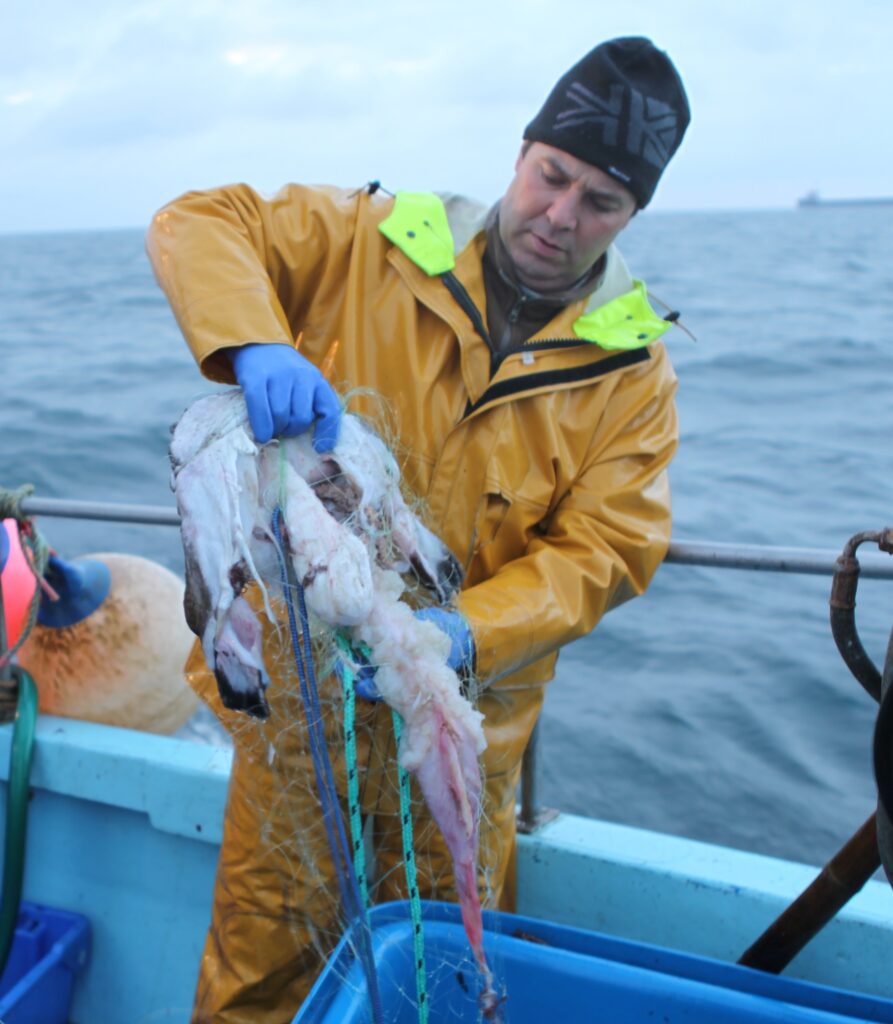
Al has been working in fisheries science since the mid 1990’s, initially on projects related to quantifying commercial discards, stock identification, stock assessment, fishery feasibility and developing industry / science collaboration. Since the early 2000’s his work has focused largely on the monitoring, assessment and mitigation of bycatch of Endangered, Threatened and Protected (ETP) species.
Al coordinates the Government funded UK Bycatch Monitoring Programme, a long-term at-sea data collection programme that provides information to improve our understanding of the scale and patterns of bycatch in UK fisheries to support informed and effective bycatch management where it is required. The BMP is a consortium of six scientific and industry organisations that collectively provide a unique concentration of knowledge and experience of the UK fishing industry, bycatch science and biological expertise on affected taxa.
Internationally, Al is actively involved in the work of the International Council for the Exploration of the Sea (ICES) and is a member and past chair of the Working Group on Bycatch of Protected Species (WGBYC), is a member of the Working Group on Commercial Catches (WGCATCH) and collaborates closely with various other ICES Working Groups under the ICES Roadmap for Bycatch Advice. Al has also participated in numerous ICES workshops on topics ranging from risk and mortality assessments, sampling designs, data collection protocols and developing ETP species reference lists.
Al is a member of the NAMMCO Bycatch Working Group, the ASCOBANS common dolphin species action plan group, the Clean Catch UK National Advisory Board and is currently involved in the development of a formal network of scientists working on seabird bycatch in the Northeast Atlantic.
Al has spent over 2500 days at sea in a scientific capacity on commercial fishing vessels across the North Atlantic. Throughout his career he has worked closely and openly with the fishing industry to ensure that scientific knowledge of bycatch continues to improve, and that industry knowledge is properly incorporated into bycatch management efforts.